


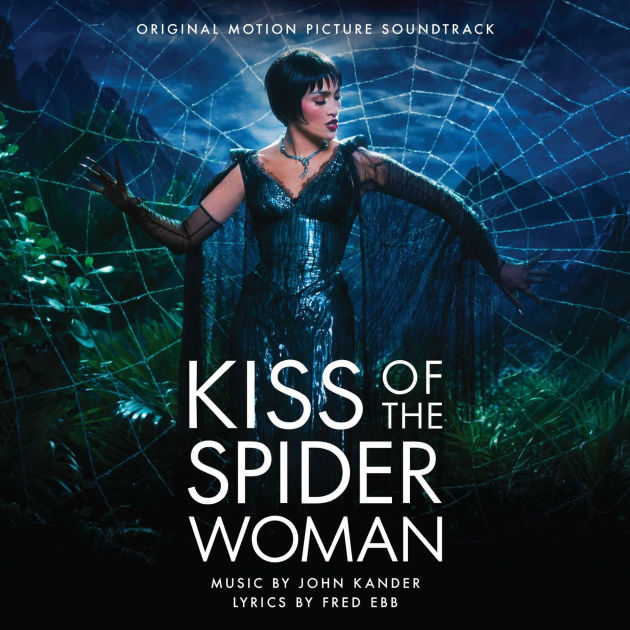
Kiss of the Spider Woman (2025): Film Overview, Plot, Cast, and Critical Analysis
Kiss of the Spider Woman (2025) is a musical drama directed and written by Bill Condon, based on the celebrated stage musical by Terrence McNally, John Kander, and Fred Ebb, which itself adapts Manuel Puig’s 1976 novel of the same name. The film blends political drama with stylized musical fantasy, exploring themes of repression, imagination, and human connection within the confines of a prison during Argentina’s military dictatorship.
Starring Jennifer Lopez, Diego Luna, and Tonatiuh, the film reinterprets a story long regarded as one of the most influential works of Latin American literature. With its unique combination of theatrical musical sequences and emotionally intense character drama, Kiss of the Spider Woman offers a visually distinctive and thematically layered cinematic experience.
Film Details
| Category | Information |
|---|---|
| Movie Title | Kiss of the Spider Woman |
| Release Year | 2025 |
| Genre | Musical, Drama |
| Director | Bill Condon |
| Screenplay | Bill Condon |
| Based On | Novel by Manuel Puig and Broadway musical by McNally, Kander & Ebb |
| Main Cast | Jennifer Lopez, Diego Luna, Tonatiuh |
| Runtime | 128 minutes |
| Language | English / Spanish |
| Setting | Argentina during a military dictatorship |
| Production | Artists Equity |
Introduction to the Film
Kiss of the Spider Woman revisits a powerful narrative that has moved through multiple artistic mediums—from novel to stage musical and now to modern cinema. The film’s narrative centers on two prisoners sharing a cell whose contrasting personalities and beliefs gradually give way to an unexpected emotional bond.
Bill Condon’s adaptation preserves the theatrical roots of the musical while expanding its cinematic scope. The film alternates between stark prison realism and dazzling fantasy sequences that recreate classic Hollywood musical imagery.
Jennifer Lopez plays Aurora, a glamorous cinematic figure who appears in the fantasies narrated by Molina, a prisoner who copes with harsh imprisonment by imagining elaborate film stories. These sequences provide a visual counterpoint to the grim political context of the narrative.
Full Plot Synopsis
The story takes place in an Argentine prison during a period of authoritarian military rule. Two prisoners occupy the same cramped cell: Luis Molina, a gentle and imaginative man imprisoned for alleged immoral behavior, and Valentín Arregui, a committed Marxist revolutionary detained for his political activities.
The two men initially struggle to coexist. Valentín is serious, ideological, and skeptical of Molina’s romantic outlook on life. Molina, by contrast, is sensitive, expressive, and deeply devoted to classic films, which he recounts in vivid detail as a way to escape the bleak reality of prison life.
To pass the time and ease tension between them, Molina narrates elaborate stories inspired by old Hollywood movies. These stories revolve around Aurora, a glamorous film star who embodies beauty, danger, and romance. As Molina describes these films, the narrative shifts into stylized musical sequences featuring Aurora in lavish settings.
These fantasies provide Molina with emotional refuge, allowing him to imagine a world far removed from the brutality of incarceration. The musical interludes contrast sharply with the dim and oppressive prison environment.
At first, Valentín dismisses Molina’s storytelling as escapist and trivial. However, over time he begins to appreciate the comfort these narratives provide. Their conversations expand beyond films to include politics, love, personal identity, and the nature of freedom.
Gradually, the two prisoners develop a complex friendship. Valentín begins to reveal the emotional toll of his political activism, while Molina opens up about his experiences with loneliness and societal rejection.
Unbeknownst to Valentín, prison authorities have secretly recruited Molina to extract information about the revolutionary movement. In exchange for early release, Molina is expected to report on Valentín’s political connections.
This hidden arrangement places Molina in a painful moral dilemma. As his friendship with Valentín deepens, the idea of betraying him becomes increasingly unbearable.
The story builds toward a tragic turning point when Molina must choose between personal freedom and loyalty. His decision ultimately leads to devastating consequences, transforming him from a passive observer into a figure of unexpected courage.
The film concludes with a poignant reflection on sacrifice, human dignity, and the power of imagination to sustain hope in oppressive circumstances.
Direction and Cinematic Style
Director Bill Condon approaches Kiss of the Spider Woman with a dual visual strategy that reflects the film’s thematic contrasts.
The prison scenes are shot with muted color palettes, minimal lighting, and tight compositions that emphasize confinement and psychological pressure. These scenes create a sense of claustrophobia, highlighting the harsh realities of life under an authoritarian regime.
In contrast, the fantasy musical sequences are vibrant and theatrical. Rich colors, elaborate choreography, and grand stage-inspired set designs evoke the glamour of classic Hollywood cinema.
This stylistic contrast reinforces the central theme of escapism. The musical numbers serve not only as entertainment but also as expressions of Molina’s inner world and emotional longing.
Condon’s experience directing musicals allows the film to move fluidly between these two visual modes while maintaining narrative coherence.
Cast and Performances
Jennifer Lopez as Aurora
Jennifer Lopez portrays Aurora, the glamorous figure who appears in Molina’s imagined film narratives. Aurora represents fantasy, romance, and cinematic spectacle.
Lopez delivers a performance that channels classic musical film icons, combining theatrical charisma with visual elegance. Her musical numbers bring energy and stylized glamour to the film’s fantasy sequences.
Diego Luna as Valentín Arregui
Diego Luna provides a powerful portrayal of Valentín, a revolutionary whose ideological commitment defines his identity. Luna captures the character’s intellectual intensity while gradually revealing deeper emotional vulnerability.
His performance grounds the film’s political themes and provides a compelling counterbalance to the musical fantasy elements.
Tonatiuh as Luis Molina
Tonatiuh delivers the film’s most nuanced and emotionally resonant performance. Molina’s sensitivity, imagination, and moral struggle form the heart of the narrative.
Tonatiuh portrays the character with warmth and subtlety, allowing audiences to empathize with Molina’s internal conflict and ultimate transformation.
Themes and Narrative Depth
The Power of Imagination
A central theme of Kiss of the Spider Woman is the role of imagination in surviving oppressive environments. Molina’s film narratives serve as psychological protection against the cruelty of prison life.
The musical sequences visually represent the transformative power of storytelling.
Friendship Across Ideological Divides
The relationship between Molina and Valentín highlights the possibility of connection despite profound differences in worldview. Their conversations reveal that empathy can bridge political and personal divides.
Identity and Social Repression
The film also addresses issues of identity, marginalization, and societal judgment. Molina’s experiences reflect broader struggles faced by individuals who exist outside dominant cultural norms.
Political Resistance
Valentín represents political activism and resistance against authoritarian rule. Through his character, the film explores the emotional sacrifices demanded by revolutionary commitment.
Strengths of the Film
Compelling Performances
The performances of Lopez, Luna, and Tonatiuh provide emotional depth and authenticity to the film’s central relationships.
Visually Distinctive Style
The contrast between bleak prison realism and lavish musical fantasy creates a striking cinematic identity.
Rich Thematic Material
The film explores complex themes including freedom, identity, loyalty, and political oppression.
Successful Adaptation of Stage Material
Bill Condon effectively expands the musical’s theatrical framework into a cinematic format.
Weaknesses of the Film
Stage-Influenced Structure
Some scenes retain a dialogue-heavy structure that reflects the story’s theatrical origins.
Pacing Challenges
The middle section of the film occasionally slows the narrative momentum.
Tonally Divided Audience Reception
The shift between serious political drama and stylized musical numbers may feel unconventional to viewers unfamiliar with musical storytelling.
Final Verdict
Kiss of the Spider Woman (2025) stands as an ambitious cinematic adaptation that blends political drama with musical spectacle. Bill Condon’s direction embraces the story’s theatrical heritage while crafting a visually striking film experience.
Supported by strong performances and emotionally resonant storytelling, the film explores the transformative power of imagination and the human capacity for empathy even under oppressive conditions.
Though its stylistic contrasts may challenge some viewers, the film ultimately delivers a thoughtful and engaging reinterpretation of a timeless narrative.