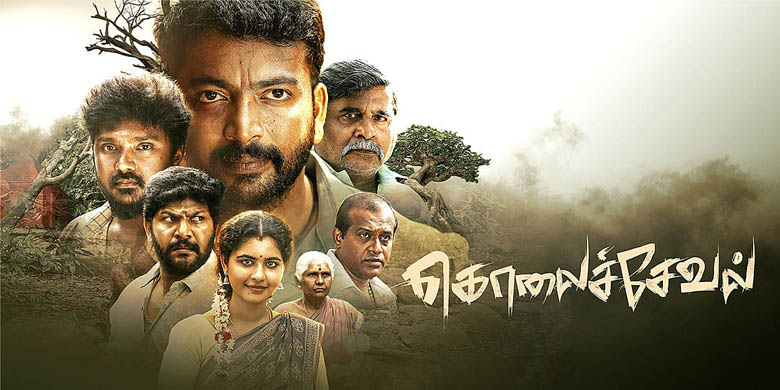
Kolaiseval (2026) Movie Review: A Brutal, Slow-Burn Exploration of Tradition and Terror
The landscape of Tamil cinema in 2026 has been defined by a return to “man-manna” (soil-of-the-earth) stories—films that peel back the layers of rural life to reveal uncomfortable truths. Kolaiseval, released on March 13, 2026, is a striking example of this movement. Directed by debutant VR Thudhivaanan, the film is a masterclass in structural subversion, beginning as an unhurried family odyssey before spiraling into a visceral survival thriller that confronts the “mental retardation of casteism” head-on.
Kolaiseval (2026): Essential Film Information
| Feature | Details |
| Title | Kolaiseval |
| Release Date | March 13, 2026 |
| Director / Writer | VR Thudhivaanan |
| Lead Cast | Kalaiyarasan, Deepa Balu |
| Supporting Cast | Bala Saravanan, Gajaraj S, Vijay Sathya |
| Genre | Drama / Thriller / Social Suspense |
| Language | Tamil |
| Runtime | 107 Minutes |
| Music Director | Santhan Anebajagane |
| Cinematography | P.G. Muthiah |
| Producer | RP Bala (RP Films) |
Full Plot Synopsis: The Weight of Heritage
The narrative of Kolaiseval centers on Kaali (Kalaiyarasan) and his pregnant wife, Anusuya (Deepa Balu). The story is set into motion by a 200-year-old family tradition: when a woman in their lineage becomes pregnant, the entire extended family must trek to a remote ancestral temple dedicated to the deity Nirai Sooli (The Pregnant Goddess) nestled deep within the Javvadu Hills.
The first 70 minutes of the film play out with surprising gentleness. As the group navigates the dense, sun-dappled forests of Tiruvannamalai, the screenplay focuses on character textures rather than plot points. We see the family bickering over decades-old debts, sharing lighthearted banter about potential baby names, and performing rituals involving a rooster (seval) intended for sacrifice. Bala Saravanan, playing a sharp-tongued relative, provides a layer of authentic rural comedy that grounds the journey in reality.
However, a parallel thread follows Anusuya’s father (Gajaraj S) and uncle, who are trailing the party. The couple’s marriage was an inter-caste union—a “sin” her family has neither forgotten nor forgiven. As the group reaches the isolated hillock temple, the “nothing much is happening” atmosphere evaporates. The film pivots into a brutal hunter-vs-prey dynamic. The sacred ritual becomes a backdrop for a violent “honor” hunt, forcing Kaali into a primal struggle to protect his wife and unborn child against the very people who should have been their guardians.
Detailed Critique: Analysis of a Two-Tone Thriller
Direction and Screenplay
VR Thudhivaanan’s debut is characterized by a “structural gamble.” By spending the majority of the runtime building an emotional connection to the family, he ensures that the eventual violence feels personal rather than purely cinematic. The dialogue is sharp, particularly the closing voice-over which poignantly notes that “even if God says there is no caste, people will reject it as they want a god who approves their system.” While the pacing in the middle slumps—largely due to a romance-heavy flashback—the writing remains sincere and focused.
Performance and Characterization
-
Kalaiyarasan: Delivers a career-best performance. He avoids the typical “action hero” tropes, portraying Kaali as a man whose courage is born out of desperation and fear.
-
Deepa Balu: Following her success in Heart Beat, she brings a quiet, luminous dignity to Anusuya. Her performance carries the emotional weight of the film’s heavy themes.
-
Gajaraj S: As the antagonist, he is terrifying because of his normalcy. He portrays a man convinced of his own righteousness, making his cold-blooded resolve all the more chilling.
Visuals and Sound Design
P.G. Muthiah’s cinematography is arguably the film’s strongest asset. He captures the Javvadu forest with a dual perspective—lush and protective by day, but claustrophobic and menacing as the shadows lengthen. The handheld camera work during the climax adds a frantic, visceral energy. Santhan’s background score, which utilizes traditional folk instruments, heightens the suspense, making every rustle of the forest sound like an approaching threat.
Strengths & Weaknesses
Strengths
-
Atmospheric Realism: The film excels at world-building, making the Javvadu Hills feel like a character in itself.
-
Social Commentary: It avoids being preachy, instead showing the systemic nature of caste-based hatred through its impact on a single family.
-
Compact Runtime: At 107 minutes, it avoids unnecessary “mass” elements or item numbers.
-
Thematic Consistency: The irony of worshipping a “Pregnant Goddess” while hunting a pregnant woman is handled with devastating clarity.
Weaknesses
-
Sudden Genre Shift: The transition from family drama to survival horror is so jarring that it may alienate audiences looking for a more traditional thriller structure.
-
Graphic Climax: One specific visual choice in the finale involving the unborn child leans into the “crass and crude,” which may be too intense for some viewers.
-
Pacing Issues: The second-half flashback halts the momentum precisely when the tension needs to be ratcheting up.
Final Verdict
Kolaiseval is a haunting, socially conscious thriller that demands patience and rewards it with a gut-wrenching finale. It is a film that values message over spectacle, leaving the audience not with a sense of triumph, but with the heavy weight of its social truths. It stands as a powerful entry in the “New Wave” of Tamil rural cinema.
Final Rating: 3/5 Stars