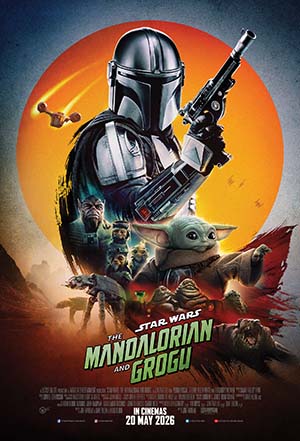
Space Western Elegance: ‘The Mandalorian and Grogu’ Rescues Star Wars from Cinematic Hibernation
The return of the Star Wars franchise to the silver screen marks a critical watershed moment for Lucasfilm. Directed by Jon Favreau and co-written alongside Dave Filoni and Noah Kloor, The Mandalorian and Grogu (2026) is the first theatrical entry in the space opera saga since 2019’s The Rise of Skywalker. Bridging the gap between small-screen streaming narratives and grand cinematic spectacle, this highly anticipated blockbuster translates the intimate, character-driven charm of the Disney+ phenomenon into a sweeping, large-scale space western.
Clocking in at 132 minutes, the film carries an ambitious dual mandate: serving as an accessible entry point for casual moviegoers while honoring the dense, multi-season lore cherished by dedicated fans. The result is a visually stunning, emotionally grounded adventure that reaffirms why Star Wars belongs on the largest screen possible.
The Mandalorian and Grogu (2026): Key Production Details
| Attribute | Details |
| Title | Star Wars: The Mandalorian and Grogu |
| Release Date | May 22, 2026 (United States) |
| Director | Jon Favreau |
| Writers | Jon Favreau, Dave Filoni, Noah Kloor |
| Run Time | 132 Minutes |
| Studio | Lucasfilm Ltd. / Fairview Entertainment |
| Cast | Pedro Pascal, Sigourney Weaver, Jeremy Allen White, Jonny Coyne |
| Genre | Sci-Fi / Action / Space Western |
| Budget | $165 million |
Full Plot Synopsis
Following the events of the third television season, the legendary bounty hunter Din Djarin (Pedro Pascal) and his formally adopted, Force-sensitive son, Grogu, have left behind their nomadic existence for a modest cabin on Nevarro. However, their peaceful domesticity is short-lived. Seeking a structured framework to utilize his lethal skillset for the greater good, Djarin agrees to work as an ad-hoc operative for the fledgling New Republic, tracking down threats along the lawless outer rims of the galaxy.
The narrative ignites when Djarin is summoned by Colonel Ward (Sigourney Weaver), a battle-hardened military leader of the New Republic’s Adelphi Rangers and a veteran pilot of the former Rebel Alliance. Ward reveals that while the Galactic Empire has shattered, fractured Imperial remnants remain deeply embedded in the galactic fringe. Operating under ruthless, self-appointed Imperial warlords like the scheming bureaucrat Captain Gilad Pellaeon, these remnants have begun forging a dangerous coalition with powerful underworld elements.
Chief among these threats is Rotta the Hutt (voiced by Jeremy Allen White), the vengeful, physical son of the deceased crime lord Jabba the Hutt. Breaking from the sedentary traditions of his lineage, Rotta has established himself as a gladiatorial warrior and the de facto ruler of a consolidated Hutt Cartel. Seeking to reclaim his family’s lost empire, Rotta forms an uneasy alliance with the Imperial remnants, trading raw planetary resources and illicit munitions for imperial protection and advanced weaponry.
Tasked with neutralizing this growing coalition before it can mount a coordinated strike against the fragile New Republic, the Clan of Two embarks on a planet-hopping odyssey. Their investigation takes them across a diverse array of environments, including a perilous, sub-zero ice world where they must navigate treacherous terrain while being hunted by a squadron of Imperial AT-AT walkers. The journey eventually pulls them into the neon-drenched, noir-inspired alleys of the crime-ridden underworld, forcing Djarin to step out from behind his beskar helmet and risk his personal code to save his ward. To survive an onslaught of starfighter armadas and the deep shadows of the criminal syndicate, Djarin and Grogu must rely entirely on their unbreakable familial bond, proving that their unconventional alliance is the strongest force in the galaxy.
Detailed Critique
Themes and Narrative Depth
At its core, The Mandalorian and Grogu succeeds because it anchors its grand sci-fi mythology in a deeply human, functional family dynamic. While Star Wars history is traditionally defined by generational trauma and parental dysfunction—from Luke Skywalker and Darth Vader to the tragic downfall of Ben Solo—Favreau’s screenplay delivers a refreshing counter-narrative.
The film operates as a profound exploration of non-traditional fatherhood. Din Djarin’s priorities have irrevocably shifted from personal survival and code-bound dogmatism to the protection and emotional nurturing of his son. The script deftly mirrors Favreau’s own cinematic preoccupations with unconventional mentorship and paternal responsibility, transforming what could have been a cynical corporate transition into a poignant, heartwarming story about legacy, choice, and belonging.
Acting and Characterization
Pedro Pascal delivers a masterclass in vocal performance and physical presence. Despite spending the vast majority of the runtime beneath a beskar helmet, Pascal infuses Din Djarin with a palpable weariness, tenderness, and unwavering resolve. Crucially, the narrative choice to have Djarin unmask at a pivotal emotional juncture feels entirely justified, allowing Pascal’s expressive features to convey the profound stakes of his fatherly devotion.
Grogu transitions beautifully to the big screen. No longer merely a cute internet meme, the character exhibits genuine growth under the film’s theatrical scope. Brought to life via exquisite animatronics and puppetry augmented by subtle digital visual effects, Grogu exercises his Force abilities with greater agency and comedic timing that lands perfectly in a crowded theater.
The supporting cast brings immense gravitas to the broader galactic conflict. Sigourney Weaver’s Colonel Ward is a standout addition, projecting a battle-hardened authority that instantly commands respect. She grounds the New Republic’s political struggles with pragmatism and moral weight. Meanwhile, Jeremy Allen White shines in an unexpected vocal performance as Rotta the Hutt. White bypasses the typical slug-like drone of previous Hutts, instead opting for a gritty, menacing cadence that perfectly matches Rotta’s physical, battle-scarred appearance.
Direction and Visual Splendor
Jon Favreau proves once again why he is a pioneer of modern blockbuster filmmaking. Transitioning the property from the smaller-scale constraints of streaming volume stages to massive physical sets and expansive location shooting across California, Favreau captures the grit and tactile reality of the original trilogy.
The visual contrast between worlds is striking. The pristine, unforgiving wilderness of the unnamed ice planet offers a stark, breathtaking backdrop for some of the film’s most thrilling action sequences. In contrast, the rain-slicked, neon-lit alleys of the crime-ridden moons showcase a stylized, cinematic flair never before seen in the franchise. The action choreography is top-tier, seamlessly blending classic practical stunt work with cutting-edge visual effects during a heart-pounding confrontation with Imperial walkers tumbling down a mountain ridge.
Sound Design and Score
The auditory landscape of the film is magnificent, honoring the legacy of Ludwig Göransson’s iconic television themes while elevating them to symphonic heights. The score booms with tribal percussion, sweeping brass ensembles, and western-inspired acoustic motifs that emphasize the film’s frontier setting. The sound design maximizes the theatrical experience, from the deafening roar of starship thrusters to the distinctive, terrifying screech of dive-bombing TIE fighters cutting through the atmosphere.
Strengths & Weaknesses
Strengths
-
Emotional Core: The earnest, functional father-son relationship between Din Djarin and Grogu provides a strong narrative anchor.
-
Stunning Visual Direction: A brilliant combination of practical effects, real locations, and seamless CGI that demands a premium large-format viewing experience.
-
Impeccable Pacing: At 132 minutes, the narrative moves briskly, balancing high-octane action set-pieces with quiet, character-driven moments.
-
Accessible Screenplay: Favreau and Filoni successfully craft a self-contained story that rewards long-time viewers without alienating casual audiences with excessive homework.
Weaknesses
-
Predictable Plot Structure: The narrative follows a traditional “fetch quest” formula typical of the franchise, offering fewer radical plot twists than some seasoned fans might anticipate.
-
Underutilized Factions: While the introduction of Rotta the Hutt adds great world-building value, certain criminal syndicates are sidelined quickly to keep the main Imperial plot moving forward.
Final Verdict
The Mandalorian and Grogu is a triumphant, spectacular return to cinema for Lucasfilm. By prioritizing the intimate, emotional bond of its titular characters over dense, convoluted galactic politics, Jon Favreau has crafted a space western that feels both classic and vital. It is a visually arresting, heartfilled blockbuster event that reminds us of the pure magic of watching stories from a galaxy far, far away unfold in the dark of a movie theater.